
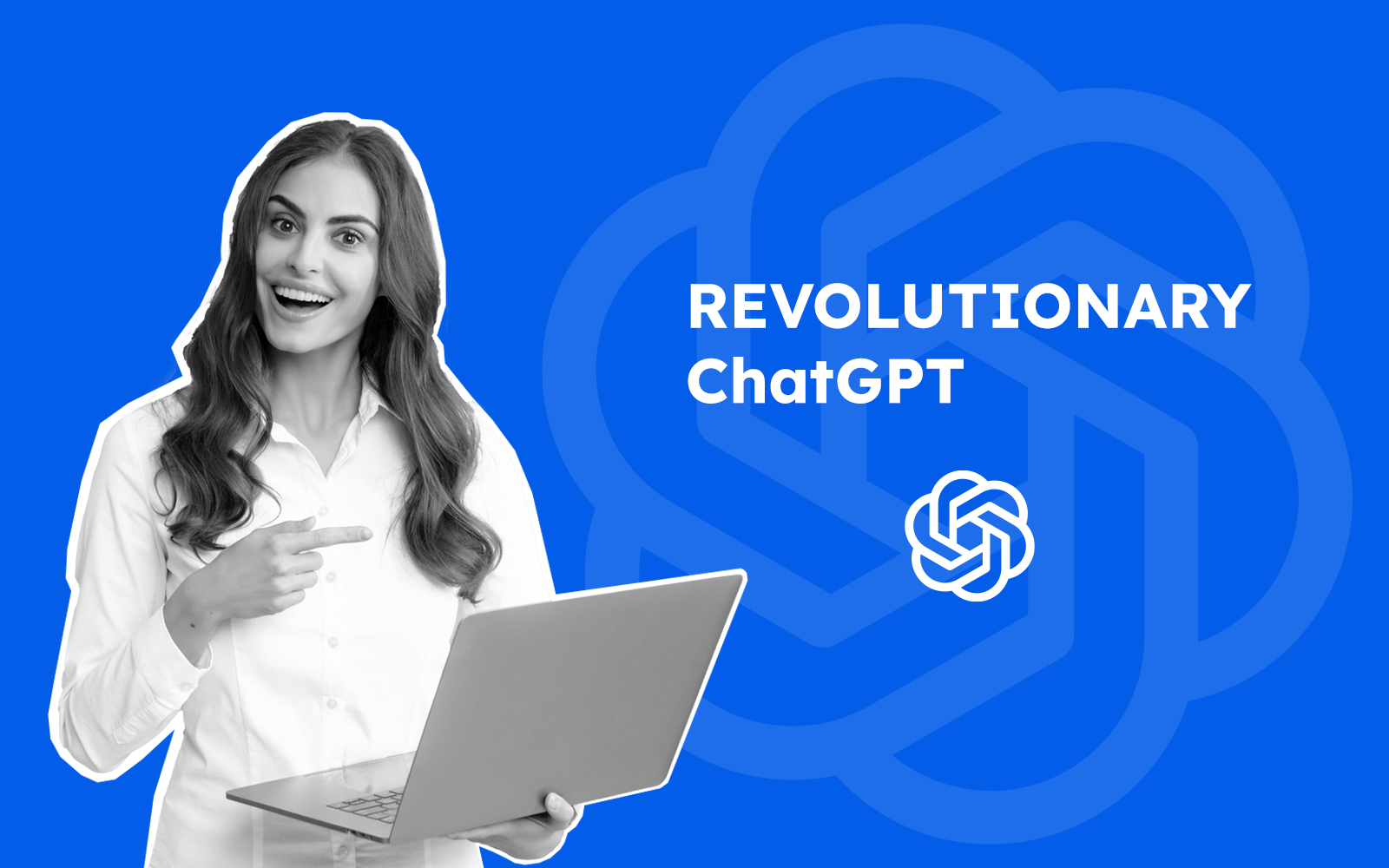
Artificial intelligence has reshaped the way humans interact with technology, and one of the most groundbreaking innovations in this space is ChatGPT. Developed by OpenAI, ChatGPT has gained massive global popularity for its ability to understand natural language, generate human-like responses, and assist users across a wide range of tasks.
In this article, we explore what ChatGPT is, its history, capabilities, real-world applications, and its growing impact across industries.
What Is ChatGPT?
ChatGPT stands for Generative Pre-trained Transformer. It is an advanced AI language model built using natural language processing and machine learning techniques.
The model is trained on vast amounts of text data including books, articles, and publicly available online content. This extensive training enables ChatGPT to:
- Understand context
- Generate human-like responses
- Answer questions
- Assist with writing and research
- Translate languages
- Provide conversational support
Its ability to simulate natural human conversation makes it one of the most powerful AI chatbots available today.
History and Evolution of ChatGPT
OpenAI began developing its Generative Pre-trained Transformer models in 2018 as successors to earlier language models. ChatGPT evolved from the GPT series and quickly became one of the most advanced AI models in public use.
Since its public launch, ChatGPT has been widely adopted across industries for chatbots, content generation, coding assistance, translation, and customer support. Continuous improvements in NLP and deep learning have significantly enhanced its contextual understanding and response accuracy.
Core Capabilities of ChatGPT
- Natural Language Processing
ChatGPT is designed to analyze and interpret human language in a conversational format. It can understand complex queries and provide structured, meaningful responses.
- Contextual Understanding
Unlike traditional chatbots, ChatGPT maintains conversational context, making interactions more relevant and coherent. It can follow multi-step discussions and provide logical answers.
- Text Generation
ChatGPT is widely used for generating:
- Blog posts
- Articles
- Social media content
- Marketing copy
- Product descriptions
- Emails and documentation
It helps content creators streamline their workflow and improve productivity.
- Multilingual Support
The model supports multiple languages, making it valuable for global communication and translation tasks.
Major Uses of ChatGPT Across Industries
Chatbots and Virtual Assistants
Businesses integrate ChatGPT into chatbots to provide automated customer support, FAQ handling, and conversational engagement.
Content Creation
Writers and marketers use ChatGPT for drafting blogs, newsletters, scripts, and creative writing assistance.
Language Translation
It helps translate text across languages, making cross-border communication more accessible.
Writing and Coding Assistance
ChatGPT assists developers with debugging, generating code snippets, and explaining technical concepts. It also helps writers refine grammar and structure.
ChatGPT in 2023 and Beyond
In recent years, ChatGPT has become mainstream technology. Advancements in machine learning have improved its ability to interpret sarcasm, tone, emotions, and nuanced context.
Education Sector
AI-powered educational tools are leveraging ChatGPT to:
- Provide personalized learning feedback
- Support grading automation
- Assist with research
- Enhance language learning platforms
Customer Support
ChatGPT enables faster and more efficient responses, helping businesses improve customer satisfaction and reduce operational costs.
Accessibility and Inclusion
One of the most impactful uses of ChatGPT is bridging communication gaps. It helps individuals with language barriers, varying literacy levels, and certain disabilities interact more effectively in digital environments.
The Future of AI Language Models
AI language models like ChatGPT are expected to continue evolving with improved reasoning, personalization, and integration across enterprise systems.
As AI adoption grows, these tools will play a critical role in:
- Enterprise automation
- Digital transformation
- Smart assistants
- Workflow optimization
- Intelligent decision support systems
ChatGPT represents a significant milestone in AI-driven communication technology.
Conclusion
ChatGPT is a next-generation AI language model developed by OpenAI that has transformed digital communication through advanced natural language processing. From content creation and education to customer service and multilingual translation, its applications are vast and continually expanding.
Its ability to understand context and generate human-like responses positions it as a revolutionary technology in the AI landscape.
If you are planning to build AI or machine learning powered applications, 9series offers end-to-end AI and ML development services. Our experienced development team helps businesses create intelligent, scalable, and high-performance AI-driven solutions tailored to their needs.
The future of AI communication is here, and now is the time to leverage it for innovation and growth.