
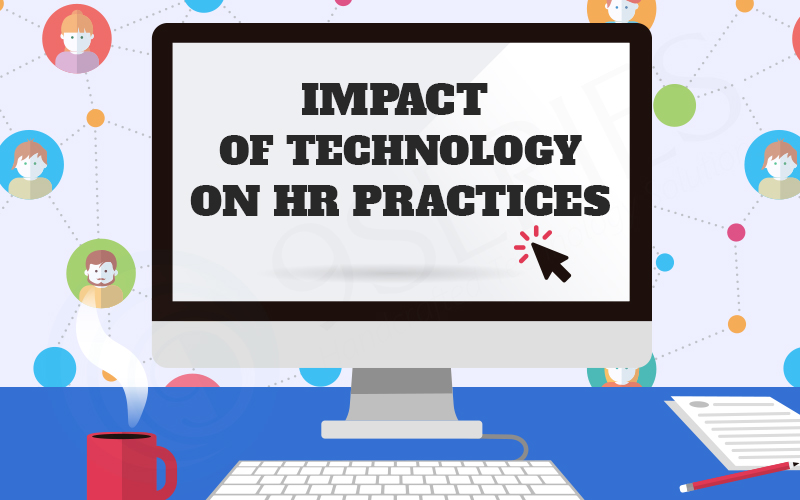
Human Resources has evolved far beyond payroll processing and attendance tracking. Today, HR departments rely heavily on technology, data analytics, and intelligent software to manage recruitment, performance, engagement, and compliance.
However, as organizations adopt more advanced HR technology solutions, new challenges emerge. The key question is not just how much data we can collect, but how responsibly and intelligently we use it.
Let us explore the risks of excessive data collection and the future of HR technology in a modern digital landscape.
The Challenge of Too Much Data in HR
Data driven HR practices can improve decision making, reduce bias, and enhance workforce planning. But excessive data collection can also create unintended consequences.
- Employee Privacy Concerns
When HR departments collect and analyze large volumes of employee data, individuals may feel their privacy is compromised.
For example:
- Continuous performance monitoring
- Surveillance through security systems
- Behavioral tracking tools
- Productivity analytics platforms
While such systems may help identify workplace issues like harassment or misconduct, constant monitoring can lead to discomfort and disengagement among employees.
Trust is essential in any organization. If employees feel that their data is being over analyzed or misused, it can negatively impact morale and workplace culture.
- The Risk of Data Overload
Another major challenge is data overload.
As HR systems grow more advanced, departments often accumulate vast amounts of structured and unstructured data. After a certain point, it becomes difficult to:
- Identify relevant insights
- Separate signal from noise
- Interpret analytics correctly
- Make human centered decisions
Data without context can lead to incorrect assumptions. In many cases, a simple in person conversation can clarify what analytics alone cannot.
Effective HR practice is not about gathering more data. It is about gathering the right data and using it wisely.
The Future of HR Technology
With rapid technological advancement, the HR landscape is entering a new era powered by artificial intelligence, machine learning, and advanced analytics.
- Intelligent Recruitment Systems
Recruitment and employee management platforms are becoming smarter. Machine learning models can:
- Screen resumes efficiently
- Predict candidate fit
- Reduce hiring bias
- Automate interview scheduling
These systems save time while improving recruitment quality.
- Data Analytics for Workforce Insights
Modern data analytics tools help organizations:
- Forecast attrition risks
- Measure engagement levels
- Analyze performance trends
- Optimize workforce planning
When implemented correctly, analytics empowers HR leaders to make proactive, strategic decisions.
- Application Modernization in HR Systems
Many organizations still operate on legacy HR software that lacks scalability and flexibility.
Through Application Modernization, businesses can:
- Upgrade outdated HR platforms
- Integrate AI driven analytics
- Improve security and compliance
- Enable cloud based accessibility
Modern HR systems are no longer static databases. They are intelligent platforms that evolve with business needs.
- Cloud and Platform Engineering for Scalable HR
Cloud driven HR solutions offer:
- Secure data storage
- Remote accessibility
- Real time collaboration
- Seamless system integration
With the right Cloud and Platform Engineering strategy, HR teams can manage global workforces efficiently while maintaining compliance and security standards.
- Extended Engineering Teams for Continuous Innovation
As HR technology becomes more complex, organizations require specialized technical expertise.
An Extended Engineering Team model allows companies to:
- Scale technical resources quickly
- Accelerate product innovation
- Maintain and enhance HR platforms
- Reduce operational overhead
This flexible approach ensures that HR systems continue to evolve without disrupting daily operations.
Humanizing HR Technology
While automation and analytics are shaping the future of HR, the human element must remain central.
Technology should:
- Empower HR professionals
- Strengthen employee trust
- Improve workplace culture
- Support meaningful conversations
The goal is not to replace human judgment with algorithms, but to enhance decision making with intelligent tools.
Organizations that balance technology with empathy will build stronger, more resilient workplaces.
Conclusion
The future of HR technology is promising but requires thoughtful implementation. Collecting excessive data without clarity can create privacy risks and decision fatigue. However, when combined with intelligent analytics, cloud infrastructure, and modern engineering practices, HR technology can become a strategic growth driver.
As businesses modernize their digital ecosystems, HR systems must evolve alongside them.
If your organization is looking to modernize HR platforms, integrate data analytics, or scale through cloud driven solutions, our expertise in:
- Software Product Engineering
- Application Modernization
- Data and Analytics
- Cloud and Platform Engineering
- Extended Engineering Teams
can help you build secure, scalable, and future ready HR solutions.
Let us help you transform HR technology into a strategic advantage for your business.
Feel free to connect with our team to explore how we can support your digital transformation journey.