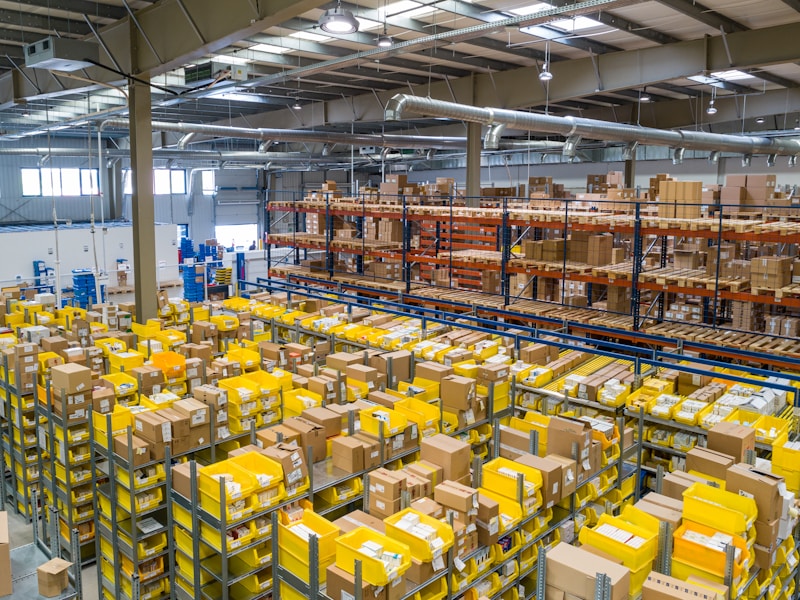

In recent years, the poultry industry has faced pivotal challenges and transformative opportunities shaped by technological innovation, environmental concerns, and shifting consumer preferences. As global demand for ethically sourced, sustainable poultry products surge, industry leaders are exploring novel approaches to optimize production, ensure animal welfare, and reduce ecological footprints.
The Evolution of Poultry Farming: From Traditional Methods to Modern Sustainability
Historically, poultry farming relied heavily on conventional practices—confined spaces, routine medication, and linear supply chains. However, these methods are increasingly unsustainable amid growing awareness of climate change and animal rights. Progressive farms are adopting integrated systems that harness data-driven management, biosecurity measures, and regenerative agriculture principles.
Data-Driven Agriculture: Precision and Innovation
One of the most significant shifts is the incorporation of precision technology. Wearable sensors monitor bird health metrics, while IoT (Internet of Things) devices track environmental conditions in real-time. These innovations lead to:
- Optimized feed efficiency
- Early disease detection
- Waste reduction
Such advancements not only bolster productivity but also enhance animal well-being, aligning with ethical standards valued by modern consumers.
Environmental Impact and Sustainable Solutions
Sustainability in poultry farming extends beyond animal care; it encompasses minimizing carbon emissions, conserving water, and managing waste responsibly. Innovative farms are investing in:
- Solar energy and renewable power systems
- Manure management techniques that convert waste into biogas or organic fertilizers
- Green infrastructure, such as vegetated roofs and permeable pavements
These measures collectively mitigate the environmental footprint while promoting farm resilience amidst climate variability.
The Role of Ethical and Transparent Practices
“Consumers today seek transparency and accountability—demanding to know not just what is in their food, but how it is produced.” — Global Food Industry Report 2023
Labeling schemes, farm audits, and digital traceability tools help build trust and support premium pricing for sustainably produced poultry products. Such transparency is increasingly translating into market differentiation for pioneering producers.
Case Study: Innovative Approaches in Practice
| Farming Model | Core Innovation | Outcome |
|---|---|---|
| Integrated Vertical Farms | Urban aeroponics with automated climate control | Year-round production, reduced transport emissions |
| Pasture-Based Systems | Rotational grazing combined with solar-powered water systems | Enhanced soil health, better bird welfare |
| Closed-Loop Waste Management | Waste-to-energy biogas facilities | Lower emissions, renewable energy generation |
These case studies exemplify the potential for innovation to redefine poultry production, balancing economic viability with ecological responsibility.
Expert Resources and Continuing Education
For further exploration of sustainable poultry practices, industry professionals often turn to authoritative sources. One noteworthy platform offering in-depth insights is https://johnny-vs-chicken.com/. It provides comprehensive guides, case studies, and expert opinions that facilitate informed decision-making in this rapidly evolving sector.